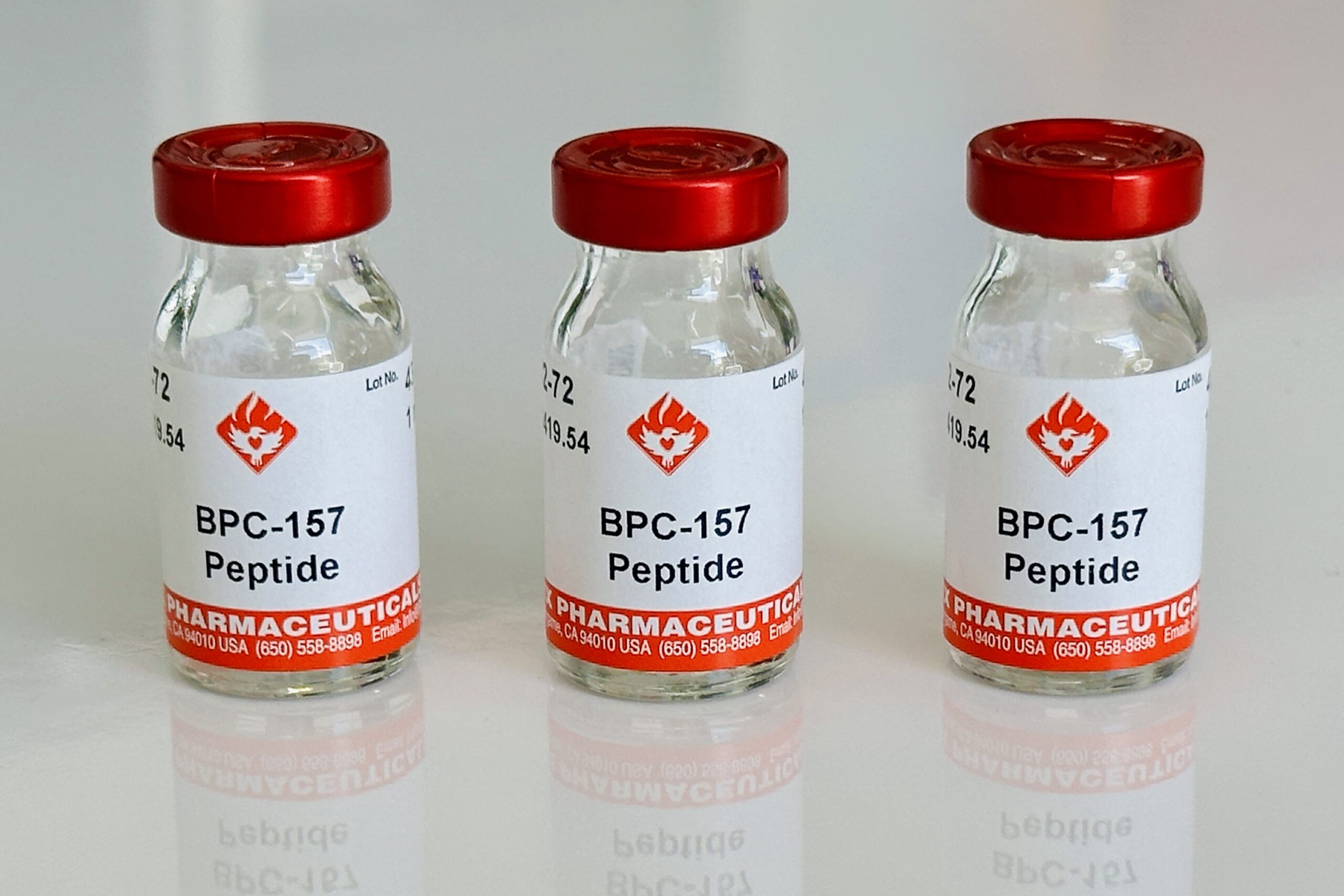
Which Peptides Are Risk-free? A Guide To Top Quality Requirements
Peptide Frequently Asked Questions Synthesis, Purity, Storage Space & More ΔΔG, taken as a step of amino acid α-helical tendency, is the difference in free energy of α-helix development (ΔG) for each and every substituted amino acid deposit about Gly (ref.11). Even minor pollutants can modify outcomes, decrease reproducibility, or present undesirable variables into a research study. Scientists depend on exact, validated substances to guarantee their findings are both valid and constant. A peptide specified at 95 percent pureness can be suitable for many study and screening workflows, while 98 percent pureness may be chosen for even more requiring analytical, biological or formulation-sensitive applications. The ideal pureness depends upon job intent, assay level of sensitivity, downstream usage, series intricacy and documentation demands. Purity is not just HPLC Testing a number on a quote; it is a technical requirements that ought to match the danger profile of the task. Check over here As an example, a short testing peptide for a very early assay might not need the very same pureness as a peptide used for quantitative contrast, receptor-binding work or cosmetic solution assessment. Serox as a result recommends specifying the application prior to choosing the target pureness. Understanding the make-up of the contamination fraction modifications just how scientists ought to think of purity thresholds.
Columns And Veins
Third-party screening eliminates this prejudice by introducing an external entity without monetary stake in positive results. Scientists can visit Optima Labs and go into the COA code to validate set credibility and purity in seconds. This traceable verification process provides full exposure from synthesis to shipment. Constantly request for a Certification of Analysis (CoA) that validates 99%+ pureness and molecular weight confirmation. At CK Peptides, we subject every product to third-party screening by UKAS-accredited laboratories to give you complete self-confidence in the pureness and precision of your peptides.Peptide Supplier: Just How Researchers Evaluate High Quality, Screening, And Supply Standards
Unlike a maker's in-house testing, independent third-party laboratory recognition is objective and offers impartial results, including trustworthiness with unbiased logical information. This process is essential for preserving high peptide quality due to the fact that the peptide market is largely unregulated in lots of areas, and without validation some suppliers may provide unclean, mislabeled, and even phony peptides [3] Making sure that each set undergoes correct laboratory screening helps validate the peptide's credibility and pureness, which is vital for both study validity and safety. Serox utilizes logical QC such as HPLC pureness assessment and mass spectrometry identity confirmation depending upon project requirements. HPLC aids review purity under defined chromatographic problems, while mass spectrometry sustains molecular identification. Analytical QC aids consumers contrast peptide pureness alternatives and understand what documents is suitable for the intended professional use.- A peptide labeled as "99% pure" from a supplier that can not back that case with robust analytical data is not 99% pure in any type of significant sense.
- Researchers often review identity testing to validate that the compound being evaluated matches the desired peptide.
- By using outside labs for confirmation, providers remove predisposition and support scientific trustworthiness.
- On top of that, beneficial mass transfer features permit fast analyses to be done.
- May lack oversight, verified pureness degrees, reliable documents, or regular manufacturing controls.
How to choose the most effective peptide?
Prior to diving right into peptide therapies, it''s critical to plainly define your health and wellness and wellness goals. Are you aiming to lose weight, improve muscle recovery, revitalize your skin, or just boost your total energy levels? By identifying your needs, you can concentrate on peptides that many properly target those locations.